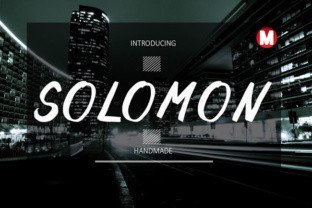
Solomon: A Handmade Modern Typeface for Real Projects
Typography shapes how people experience your message before they read a single word. The right typeface can make a design feel personal, professional, or playful in an instant. Solomon is a handmade, new, fresh modern typeface that brings a distinct character to a wide range of creative work. Whether you are designing a wedding invitation, building a brand identity, or crafting a social media post, understanding what Solomon offers and how it fits different workflows can help you decide if it is the right tool for your next project.
This article breaks down what Solomon is, explores who might benefit from using it, and provides practical examples to help you evaluate whether its style and capabilities align with your goals. No fluff, no sales pitch—just a clear look at a typeface designed for real use.
What Is Solomon?
Solomon is a handmade modern typeface. That means every letterform is crafted by hand, then digitized into a clean, usable font file. The result is a look that feels fresh and contemporary, yet carries the warmth and subtle imperfections of something created by a human, not a machine.
The term "handmade" in typography usually implies organic curves, slight variations in stroke weight, and a personality that sterile geometric fonts often lack. Solomon leans into this aesthetic. It is not a revival of an old style, nor is it an experimental display face meant only for logos. It sits in a sweet spot: modern enough to feel current, but approachable enough to use across a variety of everyday projects.
Its fresh quality comes from proportions that feel balanced without being rigid. The x-height is generous, which helps with readability at smaller sizes, while the letter shapes carry enough flair to stand out in larger headlines. This combination makes Solomon suitable for both print and digital contexts, from business cards to blog headers.
Why Different Audiences Care About a Typeface Like Solomon
A typeface is rarely just a typeface. To a graphic designer, it is a foundational element. To a small business owner, it is part of their brand voice. To a hobbyist, it is a tool to make personal projects look polished. Solomon matters to different people for different reasons, and understanding those perspectives helps you see whether it fits your own priorities.
Beginners: Ease of Use and Immediate Results
If you are new to design, choosing a typeface can feel overwhelming. You may not know what makes a font "good" or how to pair multiple fonts together. Solomon helps here because it is self-contained. Its handmade character provides personality on its own, so you do not need to layer in decorative elements or complex layouts to make your work look finished.
For a beginner designing a birthday invitation, for example, setting the headline in Solomon at a large size and pairing it with a simple sans-serif body text can create a professional-looking result in minutes. The typeface does the heavy lifting. There is no need to fuss over tracking adjustments or stylistic alternates unless you want to.
Beginners also benefit from Solomon's clarity. Because it is modern and not overly ornate, it works well in common software like Canva, Adobe Express, or Microsoft Word. You can install it and start using it right away without needing advanced typography skills.
Experienced Designers and Creators: Quality and Flexibility
For professionals and experienced creators, the evaluation criteria shift. You care about kerning, glyph coverage, how the font behaves across different sizes, and whether it can handle extended character sets for multilingual projects. Solomon offers the kind of handcrafted quality that seasoned eyes appreciate—the letters feel intentional, not generic.
If you are a graphic designer working on a branding project for a coffee shop, you might use Solomon for the logo and menu headers. The handmade look conveys artisanal values, while the modern proportions keep the brand from feeling retro or nostalgic. You can also push it further: use Solomon for quotes on packaging, social media graphics, or even short-form editorial content where you want a human touch.
Flexibility is key here. Solomon is not a one-trick display font. It works across applications because its design is grounded enough to remain legible in short paragraphs, yet distinctive enough to carry a headline. For a freelance designer juggling multiple client projects, that kind of versatility saves time and reduces the number of fonts they need to license.
Small Business Owners and Entrepreneurs: Commercial Value and Brand Consistency
When you run a business, every design choice carries practical weight. Your brand needs to communicate professionalism, trust, and personality. Solomon offers a way to stand out without looking amateurish. Because it is handmade, it brings a sense of care and craft to your materials—something customers notice even if they cannot articulate why.
A small business owner selling handmade candles, for instance, could use Solomon across their website, packaging labels, and business cards. The consistent use of the same typeface builds recognition. Over time, customers associate the font's fresh, handmade look with the brand itself. That is the kind of long-term value that makes a typeface investment worthwhile.
Cost also matters. Licensing a quality font is often more affordable than hiring a designer to create custom lettering. For entrepreneurs on a budget, Solomon provides professional-grade typography at a fraction of the cost of bespoke work.
Educators and Learners: Creative and Learning Value
Teachers and students can use Solomon as a teaching tool. In a graphic design or visual communication course, analyzing how a handmade typeface achieves its character helps students understand concepts like rhythm, contrast, and the relationship between form and function.
For a student working on a poster project, experimenting with Solomon can reveal how much personality a single typeface can carry. It becomes a case study in balancing readability with expression. Educators can point to the letter shapes and discuss why a handmade approach works for certain messages (like community events or creative workshops) but might not suit corporate reports.
Learners also benefit from the fact that Solomon is modern. Studying a typeface rooted in current trends keeps the curriculum relevant and prepares students for the kind of work they will encounter in the field.
Hobbyists and Consumers: Personal Projects and Presentation
Not everyone works in design professionally, but many people enjoy creating things for fun or personal milestones. Whether you are making a holiday card, a photo album cover, or a sign for a family gathering, Solomon helps your projects look intentional and well-crafted.
Hobbyists care about presentation. You want the final result to feel special, not slapped together. Solomon's handmade quality adds that extra layer of charm. A simple "Welcome" sign set in Solomon, printed on nice paper, becomes something you are proud to display.
Consumers who are not designers themselves also interact with typefaces indirectly. When you receive a greeting card with beautiful lettering, you feel the effort behind it. Solomon, used by a creator or small business, enhances that emotional response.
Practical Examples for Different Reader Types
To help you see where Solomon might fit your own work, here are concrete scenarios across different needs:
- For a freelance graphic designer: Use Solomon as the primary headline font in a brand identity for a boutique bakery. Combine it with a clean geometric sans-serif for body copy on menus and labels. The contrast between handmade and modern reinforces the bakery's artisanal yet accessible positioning.
- For a wedding planner or stationery designer: Solomon works beautifully on save-the-date cards, ceremony programs, and thank-you notes. Its fresh look suits modern weddings, while the handmade feel adds emotional warmth. You can vary the size and weight across pieces to create hierarchy without needing multiple fonts.
- For a blogger or content creator: Use Solomon for your blog's header image or quote cards on Instagram. The typeface catches the eye without requiring complex background graphics. A quote in Solomon, set on a simple photo, becomes shareable content that looks cohesive with your brand.
- For a small business owner launching a new product line: Apply Solomon to packaging labels, hang tags, and promotional flyers. Consistent typography across touchpoints makes the product line feel unified and intentional, even if you are managing everything yourself.
- For a hobbyist creating personalized gifts: Print Solomon lettering on mugs, tote bags, or framed prints. The handmade quality of the font makes the item feel custom-made, even if you are using a print-on-demand service.
How to Know If Solomon Matches Your Goals
Deciding whether a typeface is right for you comes down to matching its strengths with your specific needs. Start by considering your project type. If you are working on something that benefits from a personal, approachable, or creative tone—invitations, branding, quotes, posters, or social media graphics—Solomon is a strong candidate.
Next, think about your skill level. Beginners will appreciate that Solomon produces good results without advanced typography knowledge. Experienced users will value its quality and flexibility for client work. Business owners will see the commercial advantage of consistent, distinctive branding. Learners and educators will find it a useful example of contemporary type design.
Consider the format. Solomon works in both digital and print contexts, but its handmade nature shines at medium to large sizes. For small body text in dense paragraphs, you might prefer a more neutral companion font. But for headlines, subheadings, short messages, and display purposes, it delivers strong impact.
Finally, trust your own reaction. If the look of Solomon resonates with the mood you want to create, that is a good sign. Typography is as much about feeling as it is about function. A typeface that feels right to you will likely communicate that feeling to your audience.
Why Solomon’s Freshness Matters Across Projects
The word "fresh" in relation to a typeface means different things. It can indicate a design that avoids clichés, one that feels new without being trendy, or one that brings energy to static layouts. Solomon achieves freshness through its handmade construction. Each letter has a liveliness that machine-drawn fonts often lack. That liveliness makes your projects feel current and human.
For marketers, this translates to higher engagement on social media or printed materials that stand out in a mailbox full of generic ads. For educators, it means teaching materials that feel engaging rather than dated. For hobbyists, it means the joy of creating something that looks like it came from a professional studio.
In a landscape where many typefaces look similar, Solomon's handmade quality offers differentiation. It helps your work communicate care, creativity, and intentionality—qualities that matter whether you are designing for clients, yourself, or a special occasion.
By understanding what Solomon is and how it serves different priorities, you can decide with confidence whether it belongs in your font library. For many creators, business owners, and hobbyists, the answer will be yes.